
Postdoc News: Gloria Ajami Makokha works with the British Institute in Eastern Africa
Read the BIEA’s recent blog on this collaboration.
ALMEDA is a five-year research project with three interlocking ambitions:
By researching the history of literary metadata about African expressive cultures in libraries and archives, we aim to understand the ways in which colonial cataloguing constructed the idea of the ‘literary work’. How did colonial catalogues classify oral and performed expressive cultures and how has this impacted our continued understanding of the literary field up to this day?
We aim to develop a multilingual metadata ontology specifically designed for the large body of oral, unpublished, and informal literary materials that have been, and continue to be, a major part of literary production on the continent. By rethinking the organisation of the literary field around published books, we aim to improve the visibility and authority of non-book literatures in the field of African literary studies.
Our major outcome will be a linked open repository of metadata on oral, unpublished and informal African literatures. By creating and linking metadata on this body of work, this repository will make these literatures searchable and visible despite their structural ephemerality. The repository, which is run as a Wikibase Instance, is currently in process and will be opened as soon as possible. Please contact us if you have any questions.
Read the BIEA’s recent blog on this collaboration.

This dataset covers poems published in Two Tone magazine from its first volume in 1964 to its final issue in September 1982. Two Tone was founded by Phillippa Berlyn and Olive Robertson and was published by the National Arts Foundation of Rhodesia/Zimbabwe and the Department of English at University of Rhodesia/Zimbabwe. An interesting aspect…
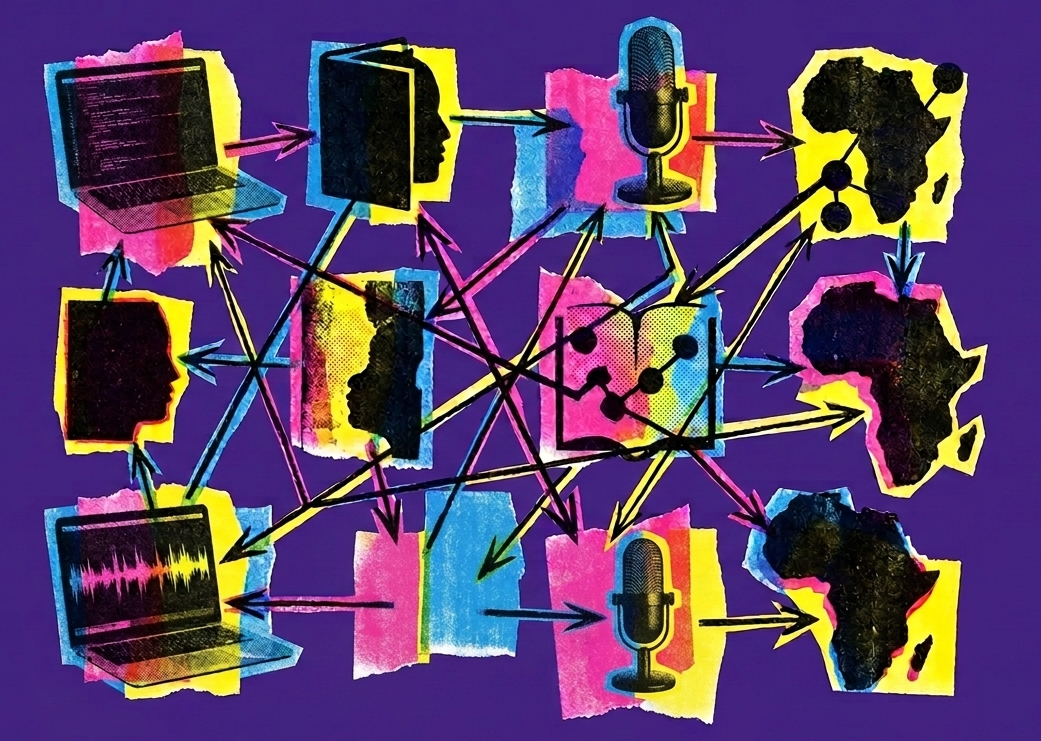
Ashleigh Harris will present ALMEDA’s work with ‘Messy Data’ at the Centre of African Studies, University of Copenhagen at 15:00 on 6 May 2026. Abstract: A significant portion of African Literature and expressive cultures – from the late 19th century to the present – has been produced as print, audio, video,…
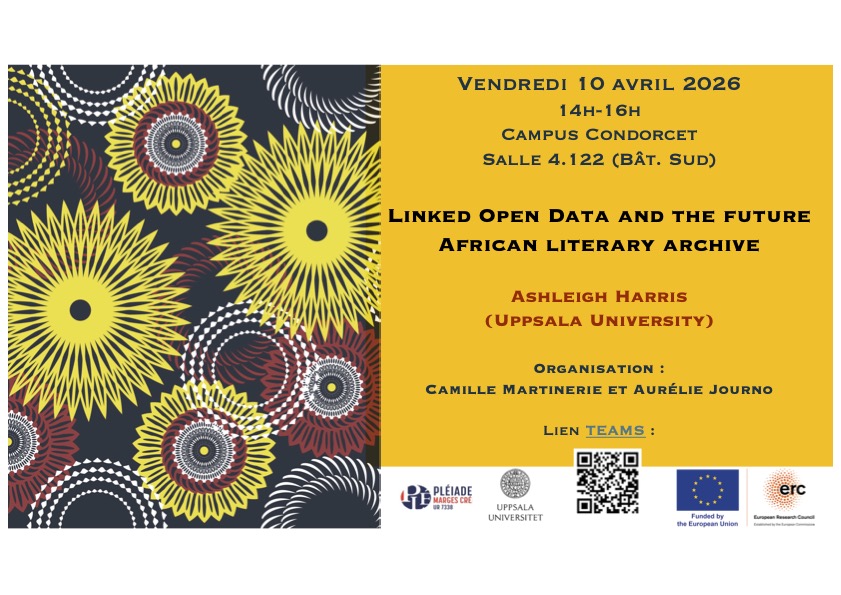
Join us for a talk by Ashleigh Harris on the ways in which the ALMEDA project uses Linked Open Data and the Semantic Web to create sustainable data on African Literature and expressive culture.