African Literary Metadata
MENU

African Library Summit – Windhoek

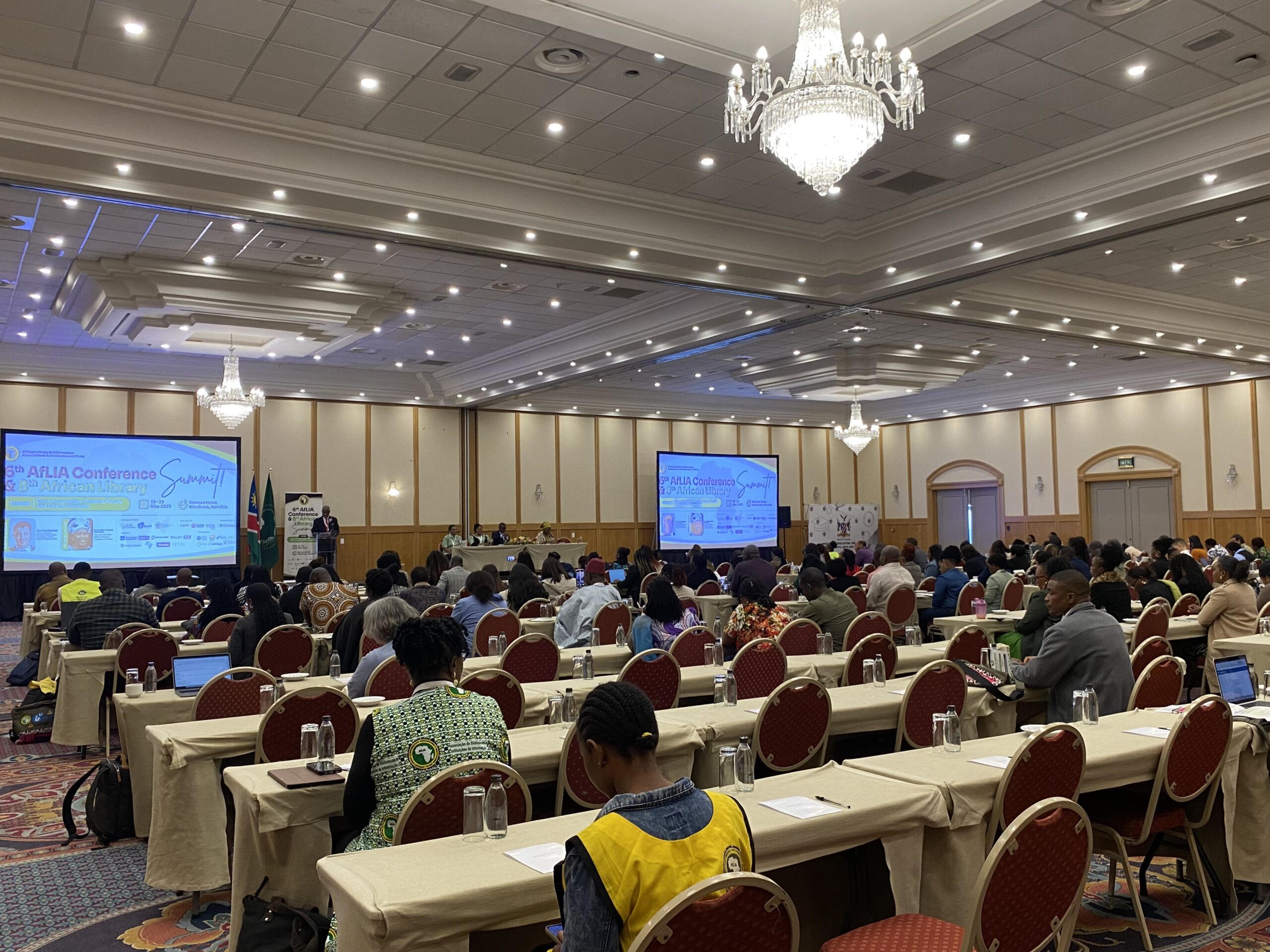
Ursula Oberst and Ashleigh Harris attended the African Library and Information Associations and Institutions (AfLIA) summit in Windhoek, Namibia from 19-23 May and presented a paper titled ‘Linking Multilingual Open Data on African Literature and Culture with Wikidata: Experiences, Challenges, and Vision of the ALMEDA Project’. AfLIA works with Libraries and National Library Associations, Governments and Government Agencies responsible for Libraries and African Regional and Economic Bodies.

ALMEDA plans to collaborate further with AfLIA on an initiative that would aim to create Linked Open Data on unique literary materials housed in their member libraries.

Read more about AfLIA at https://web.aflia.net

Yorùbá Literary Publications from Ilorin, Ibadan, and Lagos

We are delighted to have received a data donation from Lawal Mustapha Mohammed who has collected novels, novellas, short stories, drama and ewì (Yorùbá poetry) that are published in Ilorin, Ibadan and Lagos, Nigeria. These publications circulate locally, but are often not found in formal catalogues. As such, s ourcing…

Read more

Methods Workshop for the collection and analysis of Eastern and Southern African urban literatures and cultures

ALMEDA will be running a one-day workshop on Methods for the collection and analysis of Eastern and Southern African urban literatures and cultures on 10 November 2026. All details are in the document below. We are planning for the discussions to be lively and relaxed and based on formulating shared…

Read more

New dataset: Atọ́ka Magazine Nigerian Photoplays

We have published our first Yorùbá-content dataset! Atọ́ka was a Nigerian photoplay or fotonovella magazine that was published in Lagos by the West African Book Publishers. The Modern Endangered Archives Program has created a digitized collection of the magazine in collaboration with the Archive of Sound and Vision, at the Institute…

Read more

Postdoc News: Gloria Ajami Makokha works with the British Institute in Eastern Africa

Read the BIEA’s recent blog on this collaboration.

Read more