New postdoc to catalogue Khangas
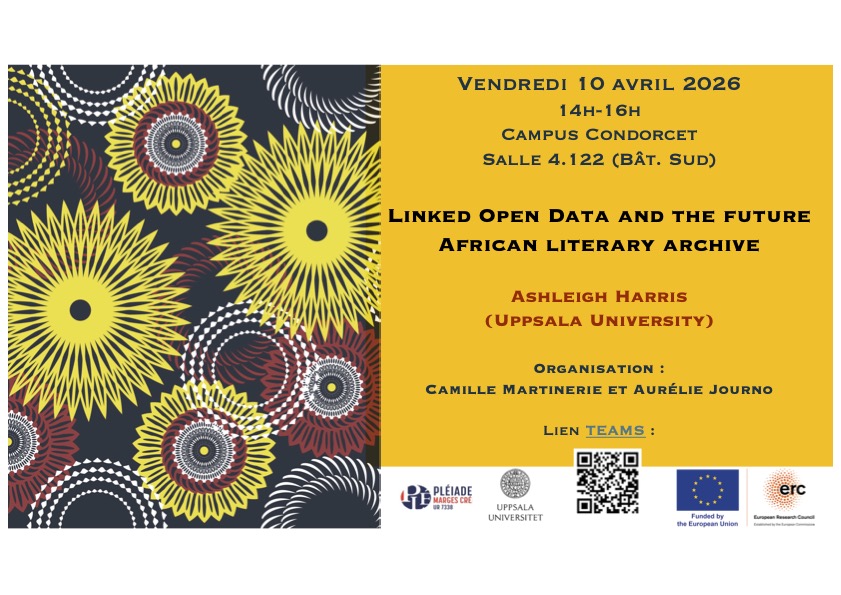
The Khanga/Kanga/Leso is a traditional cotton cloth with mixed designs, colors and messages worn by women along the coastal regions of Kenya, Tanzania and Zanzibar. The popularization of the Khanga can be traced back to 1887, when the Kaderdina family founded the Hajee Essak Limited company, which pioneered the mass production of the Khanga in Kenya. The Khanga has a patterned border called pindo, surrounding central motif called mji and a Swahili saying, proverb, slogan or idiom called jina. It is approximately 150cm in length and 110cm wide. It is made in pairs called pande, and is very accessible and affordable. It can be used for various purposes including as wraps, scarves, wall-hangings, turbans, outfits, duvet covers, in ceremonies, or for political campaigns, amongst others. Khangas are usually given to brides and new mothers as a show of love, appreciation, warning or guidance and the meanings of the Khanga are derived from both the design and majina on them. The jina are often poetic or derived from existing proverbs or idioms, and as such they serve as a concrete way of passing down oral sayings from one generation to the next. On the ALMEDA project, we are considering the jina components as a subgenre of oral literary forms. By cataloguing Khangas’ jina, our new postdoctoral fellow Gloria Ajami Makokha hopes to create a linked open data network on these everyday sayings, passed primarily between women and girls, to existing research on East Africans oral cultures.
ONLINE REFERENCES
https://artsandculture.google.com/story/kanga-a-cloth-that-unites/fwLSRgiEQNcJLA
https://www.thecitizen.co.tz/tanzania/magazines/woman/origin-of-kangas-in-tanzania-2510126
https://www.aramcoworld.com/articles/2017/kangas-woven-voices