African Literary Metadata
MENU

AI and African Literary Studies: a new ALMEDA working paper

Ashleigh Harris has a new ALMEDA pamphlet reflecting on the problems and potentials of AI in and for the field of African Literary Studies. Harris will be participating at the Charting New Territory: Digital Humanities and AI in African Studies organised by Frédérick Madore, Vincent Hiribarren in Hanover in February, where a team of stakeholders will be working together on a position paper on this matter. The workshop is funded by the Volkswagenstiftung. Read more about the scoping workshop here:

https://www.frederickmadore.com/communications/volkswagenstiftung-dh-ai-african-studies-workshop-2026

You can read Harris’s paper here: https://doi.org/10.5281/zenodo.17839280.

New dataset: Atọ́ka Magazine Nigerian Photoplays

We have published our first Yorùbá-content dataset! Atọ́ka was a Nigerian photoplay or fotonovella magazine that was published in Lagos by the West African Book Publishers. The Modern Endangered Archives Program has created a digitized collection of the magazine in collaboration with the Archive of Sound and Vision, at the Institute…

Read more

Postdoc News: Gloria Ajami Makokha works with the British Institute in Eastern Africa

Read the BIEA’s recent blog on this collaboration.

Read more

New dataset: Two Tone Magazine, Zimbabwe

This dataset covers poems published in Two Tone magazine from its first volume in 1964 to its final issue in September 1982. Two Tone was founded by Phillippa Berlyn and Olive Robertson and was published by the National Arts Foundation of Rhodesia/Zimbabwe and the Department of English at University of Rhodesia/Zimbabwe. An interesting aspect…

Read more

Messy Data, Ephemeral Literatures, and the Future African Archive, Centre of African Studies, University of Copenhagen, 6 May 2026

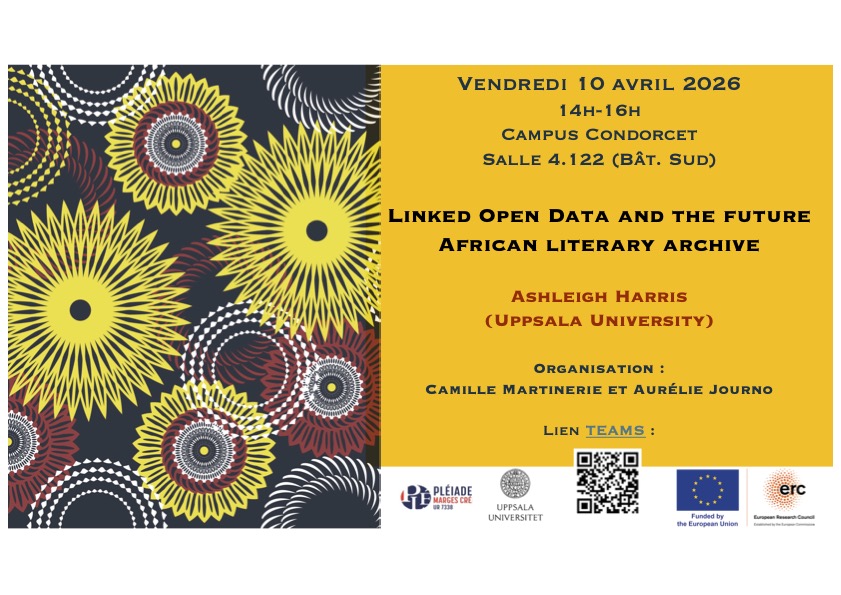
Ashleigh Harris will present ALMEDA’s work with ‘Messy Data’ at the Centre of African Studies, University of Copenhagen at 15:00 on 6 May 2026. Abstract: A significant portion of African Literature and expressive cultures – from the late 19th century to the present – has been produced as print, audio, video,…
Read more